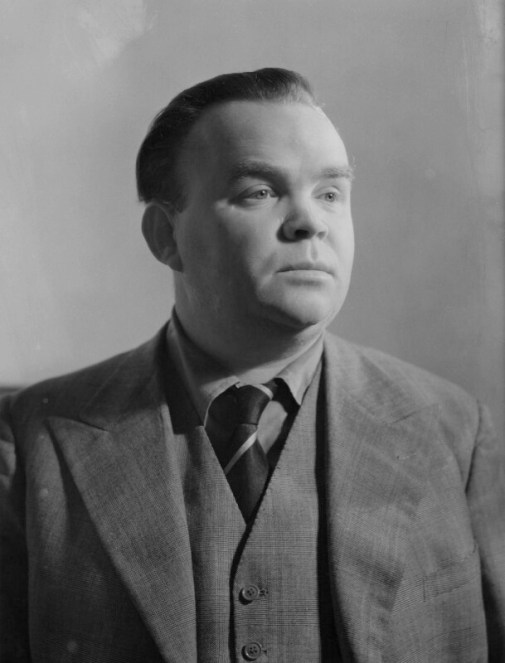
“There is no more sombre enemy of good art than the pram in the hall.”
— Cyril Connolly

Photo credit: CC BY-SA 3.0, https://commons.wikimedia.org/w/index.php?curid=436978
“There is no more sombre enemy of good art than the pram in the hall.”
— Cyril Connolly
Photo credit: CC BY-SA 3.0, https://commons.wikimedia.org/w/index.php?curid=436978
It is by a blend of lively curiosity and intelligent selfishness that the artists who wish to mature late, who feel too old to die, the Goethes, Tolstoys, Voltaires, Titians and Verdis, reach a fruitful senescence. They cannot afford to associate with those who are burning themselves up or preparing for a tragedy or whom melancholy has marked for her own. Not for them the accident-prone, the friend in whom the desire for self-destruction keeps blistering out in broken legs or threatening them in anxiety-neuroses. Not for them the drumming finger, the close-cropt nail, the chewed glasses, the pause on the threshold, the wandering eye, or the repeated “um” and “er.”
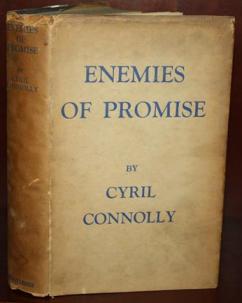
— Cyril Connolly, Enemies of Promise, 1938

“Better to write for yourself and have no public, than to write for the public and have no self.”
— Cyril Connolly, The New Statesman, 1933

Failure on the other hand is infectious. The world is full of charming failures (for all charming people have something to conceal, usually their total dependence on the appreciation of others) and unless the writer is quite ruthless with these amiable footlers, they will drag him down with them.
— Cyril Connolly, Enemies of Promise, 1938
“Peace … is a morbid condition, due to a surplus of civilians, which war seeks to remedy.”
— from Cyril Connolly’s satirical “What Will He Do Next?”
A mistake which is commonly made about neurotics is to suppose that they are interesting. It is not interesting to be always unhappy, engrossed with oneself, malignant or ungrateful, and never quite in touch with reality. Neurotics are heartless.
— Cyril Connolly, The Unquiet Grave, 1944

 Eric Robert Nolan, Author