“The pessimist resembles a man who observes with fear and sadness that his wall calendar, from which he daily tears a sheet, grows thinner with each passing day. On the other hand, the person who attacks the problems of life actively is like a man who removes each successive leaf from his calendar and files it neatly and carefully away with its predecessors, after first having jotted down a few diary notes on the back. He can reflect with pride and joy on all the richness set down in these notes, on all the life he has already lived to the fullest. What will it matter to him if he notices that he is growing old? Has he any reason to envy the young people whom he sees, or wax nostalgic over his own lost youth? What reasons has he to envy a young person? For the possibilities that a young person has, the future which is in store for him?
“No, thank you,’ he will think. ‘Instead of possibilities, I have realities in my past, not only the reality of work done and of love loved, but of sufferings bravely suffered. These sufferings are even the things of which I am most proud, although these are things which cannot inspire envy.’ ”
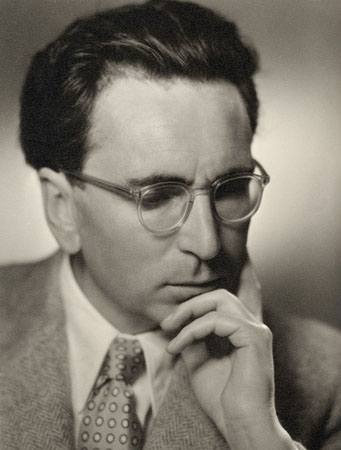
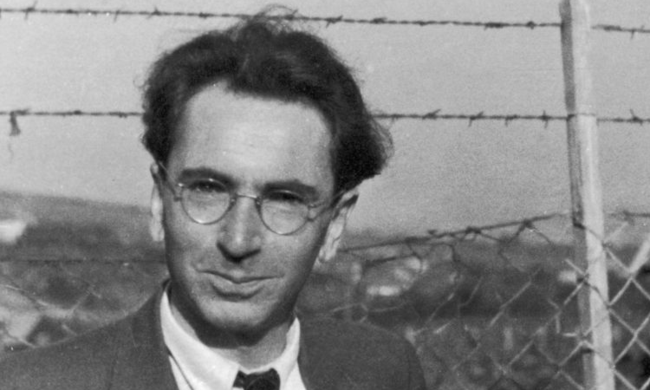
— Viktor Frankl, “Man’s Search for Meaning”
If any of you are looking for a book recommendation, “Man’s Search for Meaning” is incredible. Frankl’s version of “existential psychotherapy” could be considered either a philosophy or a practical therapy.
I read it at age 20; it’s one of the best books I’ve ever read. Frankl’s accounts of his experiences in a concentration camp are detailed, lengthy and brutal. But if you can get past that, the following message of hope in the book’s later chapters is both easy to read and profoundly conceived.




 Eric Robert Nolan, Author