Throwback Thursday: Opryland USA (1972-1997)!

My parents took me and my siblings to the “Opryland” amusement park in Nashville, TN around … 1981 or so;  I would have been about nine years old.  It was part of a family vacation that took us from Long Island, New York through two mountain ranges — I saw the Blue Ridge Mountains for the first time (though certainly not the last), and the Great Smoky Mountains.  (That, by itself, seemed like traveling to fantastic new dimension to a young kid.)

But Opryland was a blast.  I’m surprised I’ve never heard it mentioned by anyone I knew since I saw it over 40 years ago.  (And I’ve been friends with quite a few Southerners.)  The shot below is one of the few public domain photos I could find of the park itself (and it dates from the mid-1970’s).

My parents were excited about a stage show called “The Grand Ole Opry;” the theme of the amusement park was …  historical country music, or something.  That wasn’t of much interest to a kid, but I had a blast with rides like The Log Flume, the Skyride and those Tin Lizzie antique cars on the safety track.  (Somewhere there’s a family photo of nine-year-old me happily “driving” one.)

As it turns out, there actually are a  lot of people who remember Opryland if you look for them online.  There’s an official Facebook page, with tons of photos and links, along with this documentary from Nashville Public Television.

The “Grand Ole Opry” lives on as a live stage performance series and a radio show, but Opryland closed in 1997.  It really is missed by a lot of people.  Take a look at some of the comments on the Facebook page — this place had a hell of a loyal fanbase.
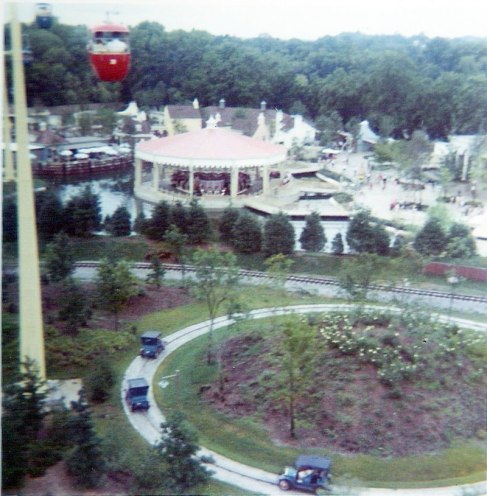


Skyride_Opryland_1

Photo credit: Chris Faulkner, CC BY 2.0 <https://creativecommons.org/licenses/by/2.0&gt;, via Wikimedia Commons

“Rocky Cliff with Stormy Sea, Cornwall,” William Trost Richards, 1902

Watercolor.

800px-Rocky_Cliff_with_Stormy_Sea_Cornwall-William_Trost_Richards-1902

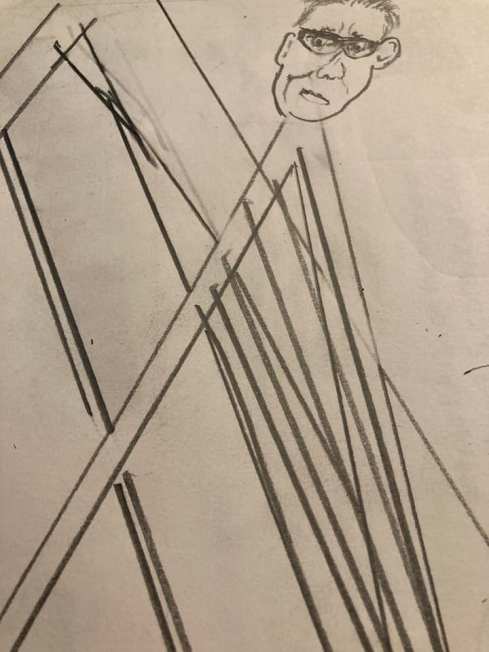
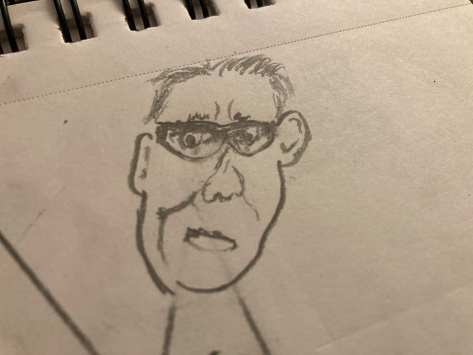
Pal of mine drew my abstract (?) portrait.

And, as you can see, he captured me perfectly.  (It’s all about the disquietude, people.)  And all those angles can easily symbolize my infamous editorial slant.

Thanks, Jesse Rooney!!


434867917_7589800474375662_2818011212619942398_n

438945220_7590308350991541_5867560867683077084_n

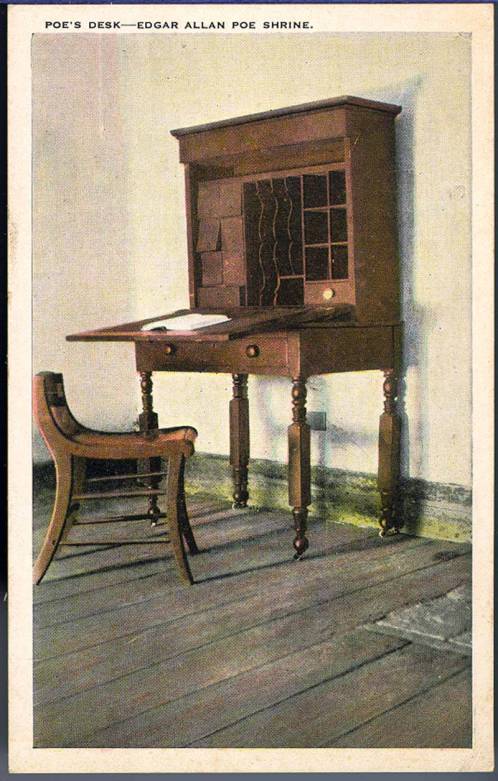
Postcard depicting Edgar Allan Poe’s writing desk, early 20th century

Poe's_Desk-Edgar_Allan_Poe_Shrine_(16650738119)

Shared from Silver Birch Press:

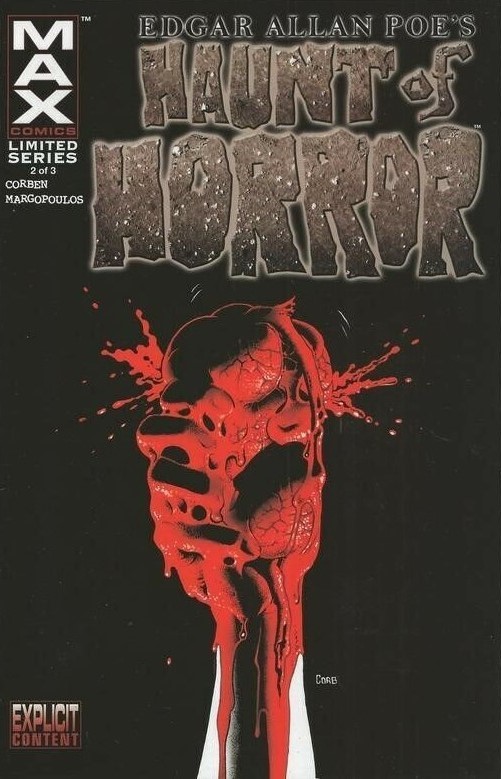
Cover to “Edgar Allan Poe’s Haunt of Horror” #2, Richard Corben, 2017

Marvel Comics.

Max

(This guy’s got a lot of guts posting this.)

436499707_442337291700805_5245586673722387191_n

Source: Writing About Writing

The message of “Civil War” (2024) in six words: “Kids, don’t try this at home.”

Watching Alex Garland’s “Civil War” (2024) is a lot like watching an hour-and-forty-nine-minute train wreck — except it’s even more horrifying because the accident happens right outside your hometown, and its casualties might easily be people you know.

It isn’t an “entertaining” movie; it’s hard to imagine anyone “having a good time” seeing it.  It’s disturbing enough that I wouldn’t even recommend it to many people I know.  I’m probably showing my age when the movie I keep wanting to compare it to is Oliver Stone’s “Platoon” (1986).

But it is definitely a well made film.  In a nutshell, it combines the best elements of two of Garland’s previous movies.  It has the breakneck, street-level, frightening, kinetic action of 2002’s “28 Days Later” and the thoughtful dialogue of 2015’s “Ex Machina.”  (But viewers who are wary of Garland’s sometimes ponderous and lengthy dialogue scenes should rest assured that this is definitely an action movie.)

It’s surprisingly apolitical.  (Garland himself stated it was intentionally “opaque.”)  When we see random factions and individuals committing revolting acts of violence, we’re often given little information about which side they are actually on.  Viewers hoping to see America’s contemporary left/right divide depicted will be disappointed.  (Hence the part of the plot setup that readers laughed at before the movie’s release —  California and Texas join forces against the federal government.)  While Nick Offerman’s cruel and feckless American president is obviously “a bad guy,” his political party is never named.

The cast is roundly excellent, even if everyone is outshined by Kirsten Dunst’s hollow-eyed photojournalist who is in the midst of a traumatized existential crisis.  And if you’re a fan of creepy “that guy” actor Jesse Plemmons, as I am, you’ll see that he is at his finest here.

I know that there have been a spate of negative reviews since the film opened yesterday, accusing it of being “pointless” or without a meaningful story.  I disagree.

This is a milieu-type story in which the catastrophic war itself is the primary antagonist.   It kills both the culpable and the innocent indiscriminately.

And Garland’s message is clear: “Kids, don’t try this at home.”


CW

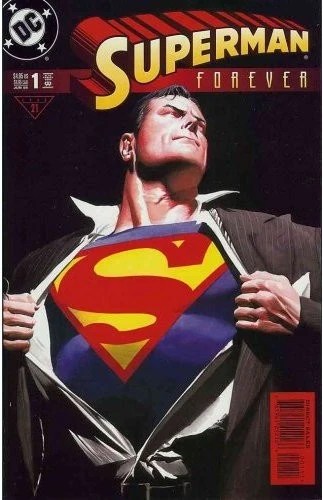
Cover to “Superman Forever” #1, Alex Ross, 1998

DC Comics.

Superman_Forever_1

Source: DC Database

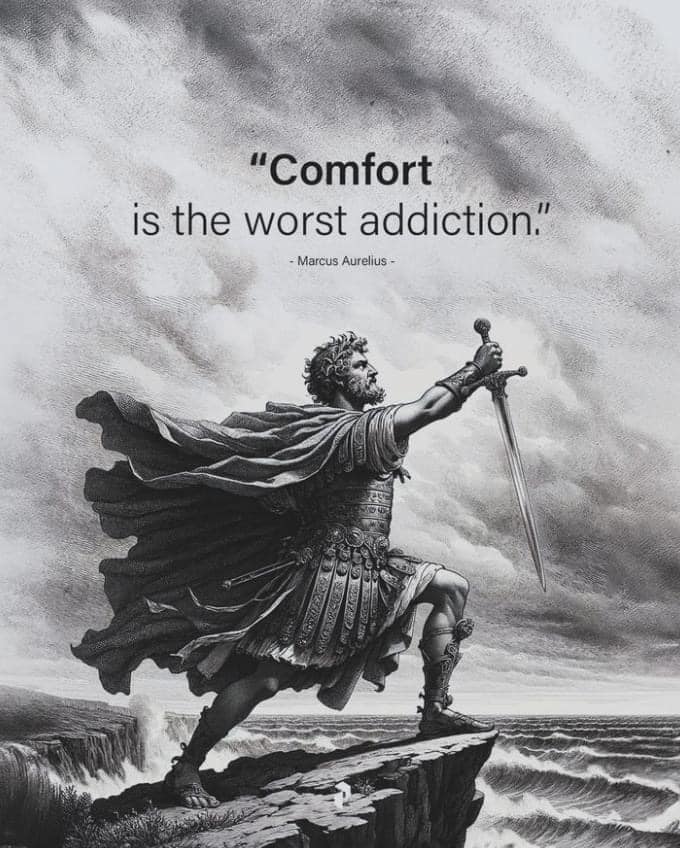
“Comfort is the worst addiction.”

Found on Facebook.

434391999_10232557916755288_8416388524053842618_n

Nurse Your Favorite Heresies in Whispers