“Nazi theory indeed specifically denies that such a thing as ‘the truth’ exists … The implied objective of this line of thought is a nightmare world in which the Leader, or some ruling clique, controls not only the future but the past. If the Leader says of such and such an event, “It never happened”—well, it never happened. If he says that two and two are five—well, two and two are five. This prospect frightens me much more than bombs …”
These commercials were ubiquitous in the 1970’s. If you were a small child, you could rattle off the trademark slogan without even understanding what it meant, and adults would find it extremely funny. (The ad actually isn’t terribly funny by itself. The 1980’s had a plenty of inspired commercials. but the few I can remember from the 70’s were generally lame.)
Anyway, fast-forward about 12 years to when I was a senior in high school … a buddy of mine actually handed me a can of V8 and dared me to pound it in one gulp. (For those not in the know, the product is a phenomenally awful beverage concocted from vegetable juices.) I took the dare. And I wound up projectile vomiting like a god damned fire hose — all over the rear bumper of that 1972 Plymouth Duster that I loved so much.
I suppose that I could try to blame my lifelong abhorrence for vegetables on that experience, but I hated greens even when I was a kid. (I was endlessly sneaking them to the dog at the dinner table; I wrote a story about it in the second grade that my parents nevertheless found amusing when I brought it home.)
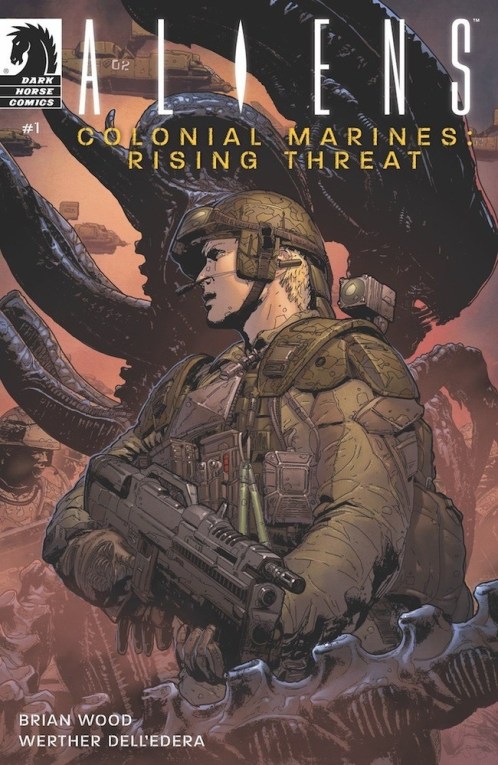
The V8 vegetable drink is still around; the company is owned by Campbell’s. Somebody should find out where it’s canned, break into the place at night and just machine-gun all the cans in the same manner as Ripley shooting all the alien eggs at the climax of “Aliens” (1986). It would be a public service.
I’m honored to share here that three more of my poems will be published in the coming months by The Piker Press. These will be “March Midnight Window” on March 23, “Not of Byzantium” on April 20, and “Ode” on May 25.
As always — thank you, Editor Sand Pilarski, for allowing me to share my work via The Piker Press!
I’m happy to see another one of my 100-word horror tales appear over at A Story in 100 Words. Its title is “I bring her diamonds. My hands are full of them.”




 Eric Robert Nolan, Author