“I begin to feel like most Americans don’t understand the First Amendment …”

“I begin to feel like most Americans don’t understand the First Amendment, don’t understand the idea of freedom of speech, and don’t understand that it’s the responsibility of the citizen to speak out.”

— Roger Ebert

Roger_Ebert_crop_(retouched)

Photo credit: “Roger Ebert crop (retouched)” by The original uploader was Rebert at English Wikipedia – File:Roger Ebert (extract) by Roger Ebert.jpg, File:Russ Meyer and Roger Ebert by Roger Ebert.jpg. Licensed under CC BY-SA 3.0 via Wikimedia Commons.

Michelangelo Merisi da Caravaggio’s “David and Goliath,” 1599

David_and_Goliath_by_Caravaggio

Photo credit: Caravaggio [Public domain], via Wikimedia Commons

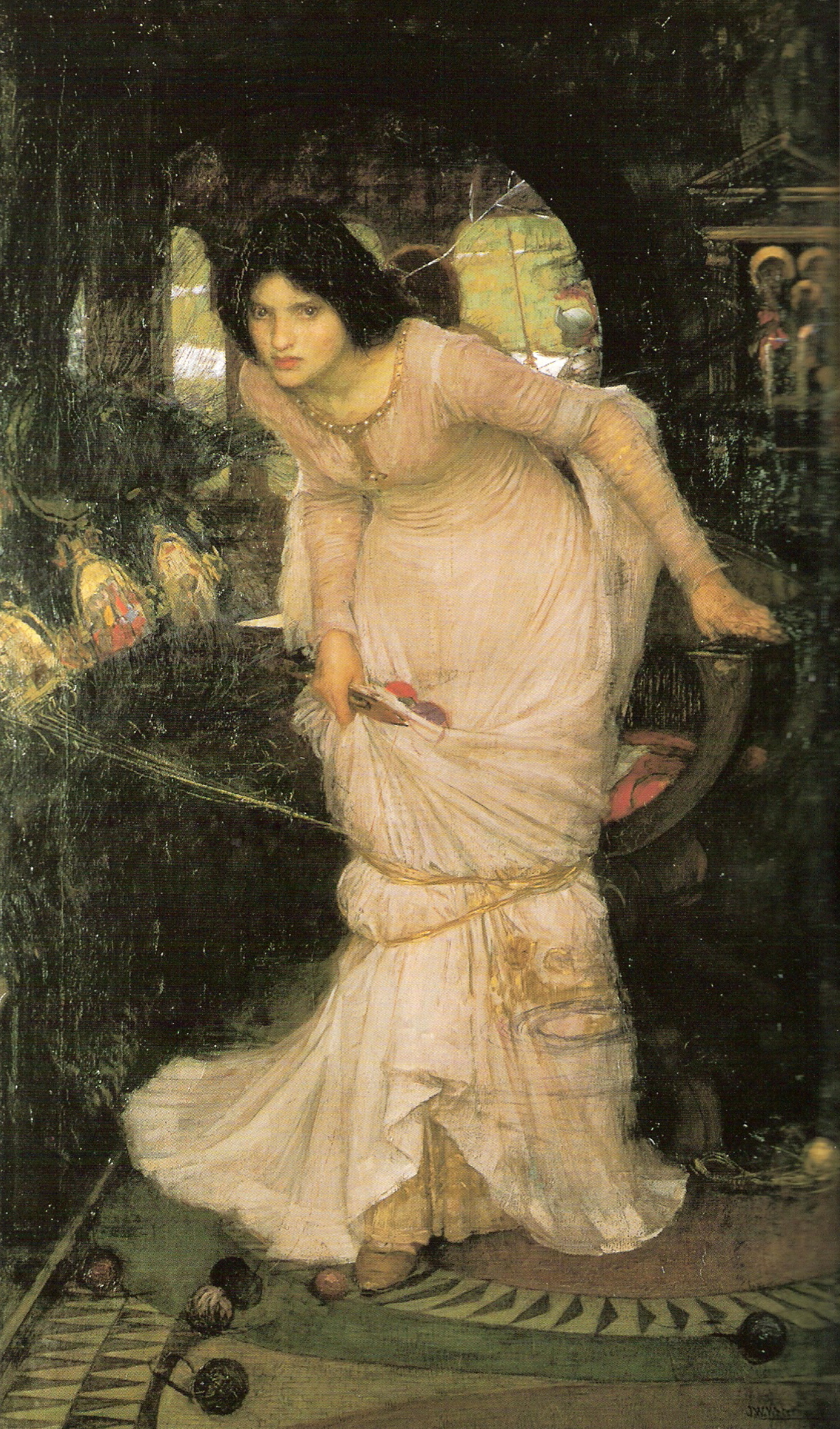
John William Waterhouse’s “The Lady of Shalott Looking at Lancelot,” 1894

The_Lady_of_Shallot_Looking_at_Lancelot

John William Waterhouse [Public domain], via Wikimedia Commons

“Fear the Walking Dead,” but Crave the Next Episode!

The pilot of AMC’s prequel to its little known zombie tv show was just great!  I’d give it a 9 out of 10.

It looks as though “Fear the Walking Dead” will be a smartly scripted horror drama with relatable, realistic, three-dimensional characters — something I think “The Walking Dead” has often stumbled with.  (Other fans strongly disagree, of course.)  The cast was quite good across the board — but especially Frank Dillane, whose performance as a heroin addict with tragic recognition was just outstanding.   And “Fear” shows fans of the zombie horror sub-genre exactly what the vast majority of movies fail to examine — what happens when an epidemic is in its infancy.  No, there are none of the zombie “swarms” that are the bane of Rick Grimes and company, but the “slow burn” horror here delivers nicely.

I am on board with this.

Hey … when Dillane’s addict character starts screaming at the character of “Gloria” in the abandoned church, am I the only one who started humming Laura Branigan’s “Gloria?”

fear2

“Francis Turner,” from Edgar Lee Masters’ “Spoon River Anthology”

“Francis Turner”
 

I COULD not run or play
In boyhood.
In manhood I could only sip the cup,
Not drink—
For scarlet-fever left my heart diseased.
Yet I lie here
Soothed by a secret none but Mary knows:
There is a garden of acacia,
Catalpa trees, and arbors sweet with vines—
There on that afternoon in June
By Mary’s side—
Kissing her with my soul upon my lips
It suddenly took flight.


bb872c92e4c6bc7ae1f34101c6b83b00

My take on the ambiguous ending for John Carpenter’s “The Thing.” (Major spoilers.)

John Carpenter’s 1982 tour-de-force, “The Thing,” is arguably the best horror movie of the decade.  It paid little attention to the movie it ostensibly remakes, the standard, boilerplate, flying-saucer Saturday-matinee of “The Thing From Another World” (1951). It presumably paid greater attention to its real and far darker source material, “Who Goes There?,” John W. Campbell Jr.’s 1938 horror-sci-fi novella.

One of the things the movie’s fans still debate heatedly is its bleak ending — I think it goes beyond ambiguous to downright mysterious.  Viewers actually are given no certainty whatsoever about who or what are actually pictured onscreen in the film’s Antarctic setting, after a fiery climax for this gory, special-effects-heavy actioner.  (Only people who have seen the film know what I am talking about.)

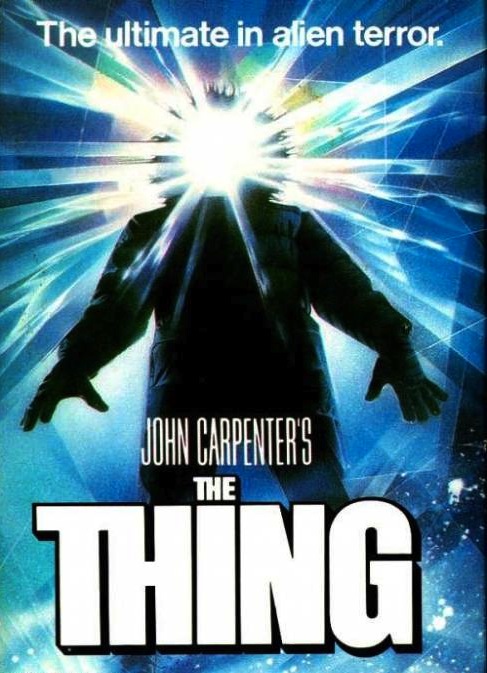
My own interpretation is a little less popular than the others you hear about.  To conceal spoilers, I’m sharing it after the poster image below.  [IF YOU HAVE NOT SEEN THE MOVIE, STOP READING NOW!]
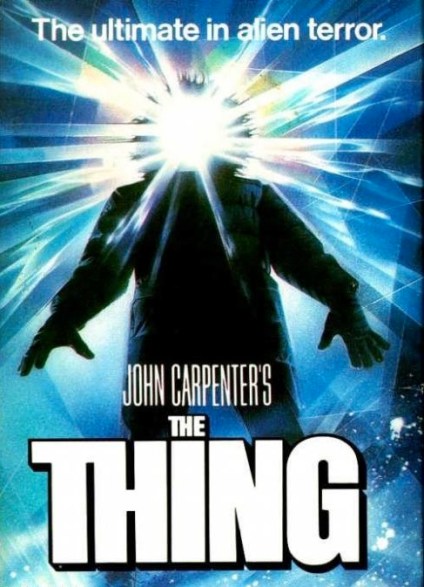
movie-poster-the-thing

Continue reading My take on the ambiguous ending for John Carpenter’s “The Thing.” (Major spoilers.)

NICE WORK.

11012475_998985520164726_4010849576029157433_n

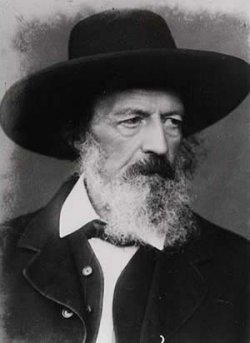
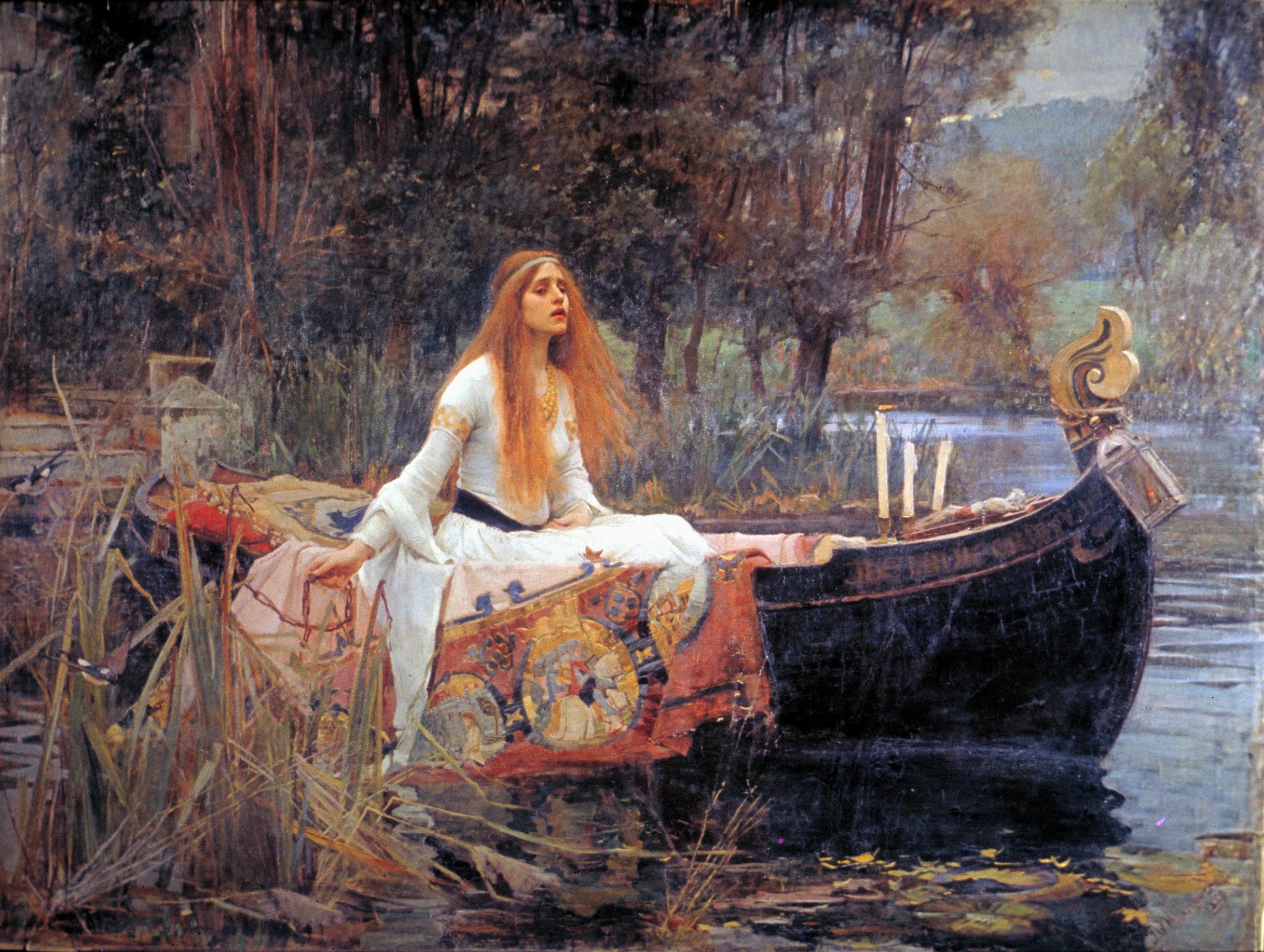
“The Lady of Shalott,” by Alfred Lord Tennyson

“The Lady of Shalott,” by Alfred Lord Tennyson

“And down the rivers dim expanse
Like some bold seer in a trance,
Seeing all his own mischance —
With a glassy countenance
Did she look to Camelot.
And at the closing of the day
She loosed the chain, and down she lay;
The broad stream bore her far away,
The Lady of Shalott.”


tennyson_a_04

John William Waterhouse’s “The Lady of Shalott,” 1888

John_William_Waterhouse_The_Lady_of_Shalott

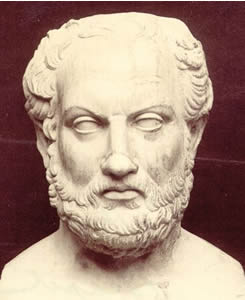
Can’t understand Donald Trump’s lead in the polls? Ask Thucydides.

“Inferior intellects generally succeeded best. For, aware of their own deficiencies, and fearing the capacity of their opponents . . . they struck boldly and at once.”

—  Thucydides, in “History of the Peloponnesian War”

To be fair, though … this quote could address American public discourse in general. Or, hell, people in general.  How many of us know that person who acts tough (or “real”) because they have no logic or evidence to support their argument?

110705thucydides

Nurse Your Favorite Heresies in Whispers