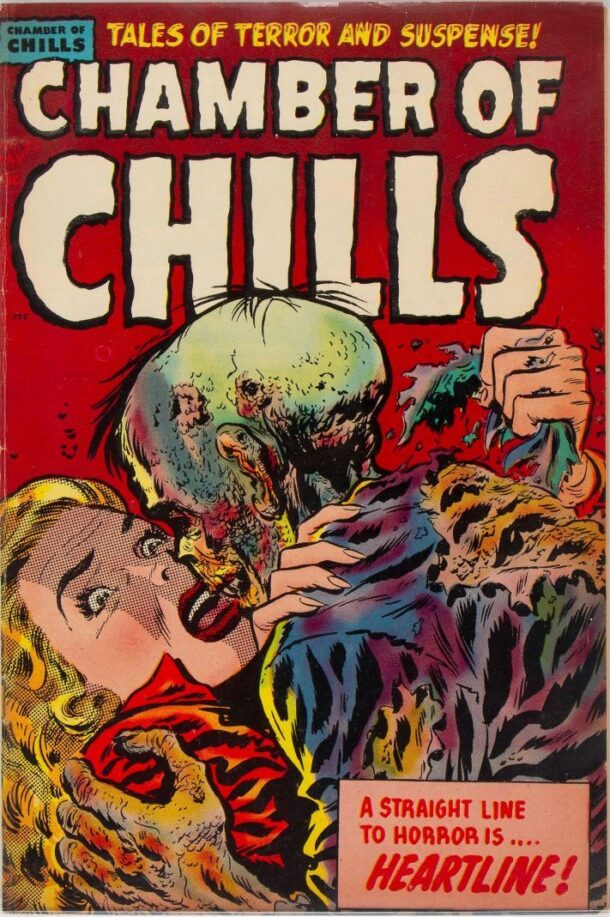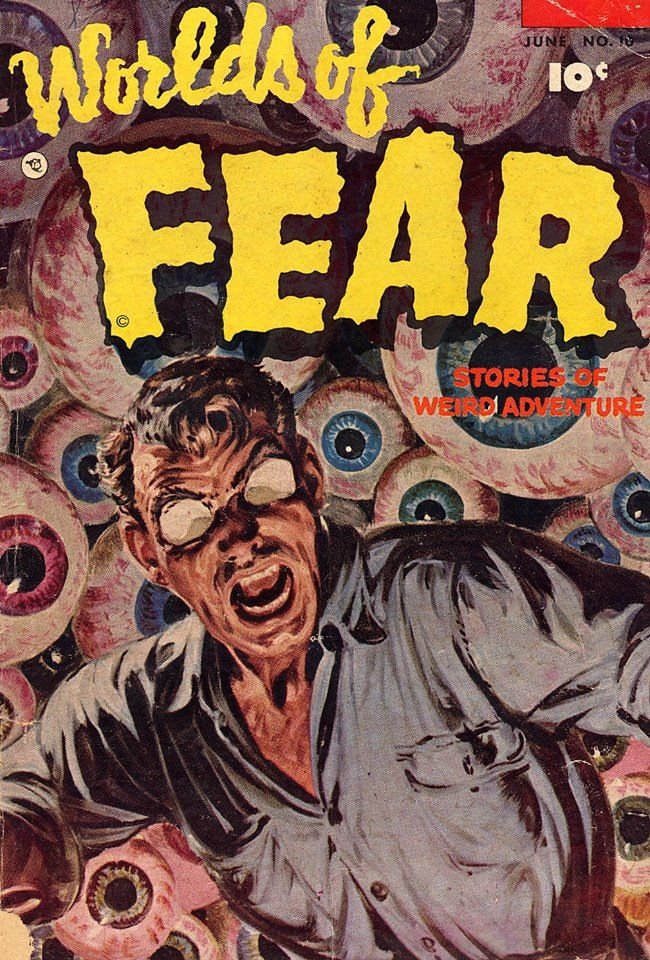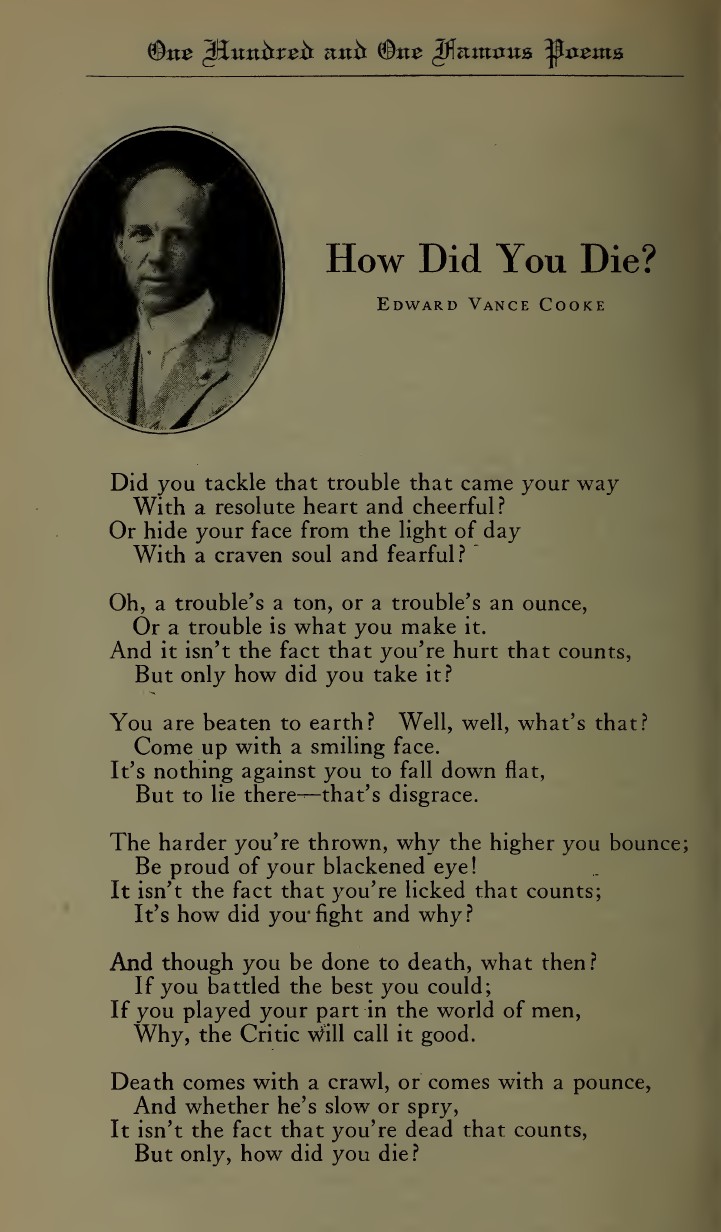

“The Second Coming,” by William Butler Yeats

“By using words well they strengthen their souls.”

“Socrates said, ‘The misuse of language induces evil in the soul.’  He wasn’t talking about grammar.  To misuse language is to use it the way politicians and advertisers do, for profit, without taking responsibility for what the words mean.  Language used as a means to get power or make money goes wrong: it lies.

“Language used as an end in itself, to sing a poem or tell a story, goes right, goes towards the truth.  A writer is a person who cares what words mean, what they say, how they say it.  Writers know words are their way towards truth and freedom, and so they use them with care, with thought, with fear, with delight.  By using words well they strengthen their souls.  Story-tellers and poets spend their lives learning that skill and art of using words well.  And their words make the souls of their readers stronger, brighter, deeper.”

— Ursula K. Le Guin


Source: Psyche’s Call With Donna May on Facebook


Photo credit: Marian Wood Kolisch, Oregon State University, CC BY-SA 2.0 <https://creativecommons.org/licenses/by-sa/2.0&gt;, via Wikimedia Commons

Morning in Salem, Virginia, January 2025

The picture below illustrates something that I still find novel about Southwest Virginia, simply because it is so different from the interminably flat landscape of my native Long Island.  When viewed from a distance, mountainside buildings have the illusion of being at the level of treetops.

Those look like really nice townhouses, and they are indeed on level ground.  (There is a road beyond them.)  But their position at the top of that rise makes them seem a little bit like mountain fortresses to the kid in me.

Memento mori, Giovanni Boldù, 1466

Why can’t we be Franz?

Morning in Roanoke, Virginia, January 2025

Campbell Avenue.

Cover to “Formerly Known as the Justice League” #1, Kevin Maguire & Joe Rubinstein, 2003

DC Comics.

“Aging itself does not bring wisdom.”

Illustration of Death surprising a blind man resting on a rock.

Stipple engraving.  I cannot ascertain the artist or date.

V0042193 Death surprising a blind man resting on a rock. Stipple engr
Credit: Wellcome Library, London. Wellcome Images
images@wellcome.ac.uk
http://wellcomeimages.org
Death surprising a blind man resting on a rock. Stipple engraving.
Published: –
Copyrighted work available under Creative Commons Attribution only licence CC BY 4.0 http://creativecommons.org/licenses/by/4.0/

“January dry, hard, glittering, cold, and the wicked naked beauty of the scraped blue skies …”

“January dry, hard, glittering, cold, and the wicked naked beauty of the scraped blue skies and the sun sparks ricocheting jazzily off car rooftops. Last night it was cold, suddenly, the loud big wind riproaring down from some no-man’s land of snow, and battering and blundering against windowframes, rocking them in their sockets, and barging into the flapping blinds, and shouldering through the brittle crackling trees: damned if I’m going to be raped by the North wind. I get up and close the window in the cold bare dark, and jump back desperately into bed, curling into a fetal position and warming my frigid hands between my thighs.

The Unabridged Journals of Sylvia Plath, 1953


Photo by Eric Robert Nolan, 2019

Nurse Your Favorite Heresies in Whispers