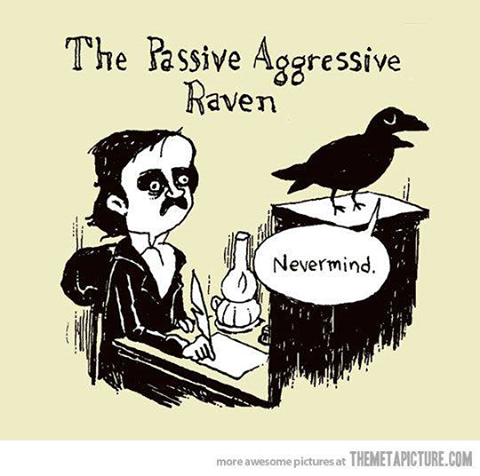
This was passed along to me tonight by a friend and reader of “Dogs Don’t Bark.”
You’ve got me pegged, Carrie — this is me in more ways than one! (Four out of five ex-girlfriends agree.)
This was passed along to me tonight by a friend and reader of “Dogs Don’t Bark.”
You’ve got me pegged, Carrie — this is me in more ways than one! (Four out of five ex-girlfriends agree.)
Last month was National Poetry Month, and I was linking to various poems — including those penned by friends of mine around the web.
I meant to share one by Jason Sturner, who is a prolific writer and very nice guy. Here is a link to “Out of the Ad Space,” a speculative poem that was voted best poem in the September 2012 issue of “Aoife’s Kiss.”
I was distracted by a poem request from a West Coastie friend, and I took Jason’s out of the queue to accommodate Robert Frost.
Apologies, Jason! Nice work! 🙂
http://jasonsturner.blogspot.com/2013/01/out-of-ad-space.html
America’s most badass emerging poet.
Your grandkids will be reading his stuff in gradeschool along with Poe. And possibly waking up after 1 am with nightmares.
The upside? They’ll understand classical references better than you do.
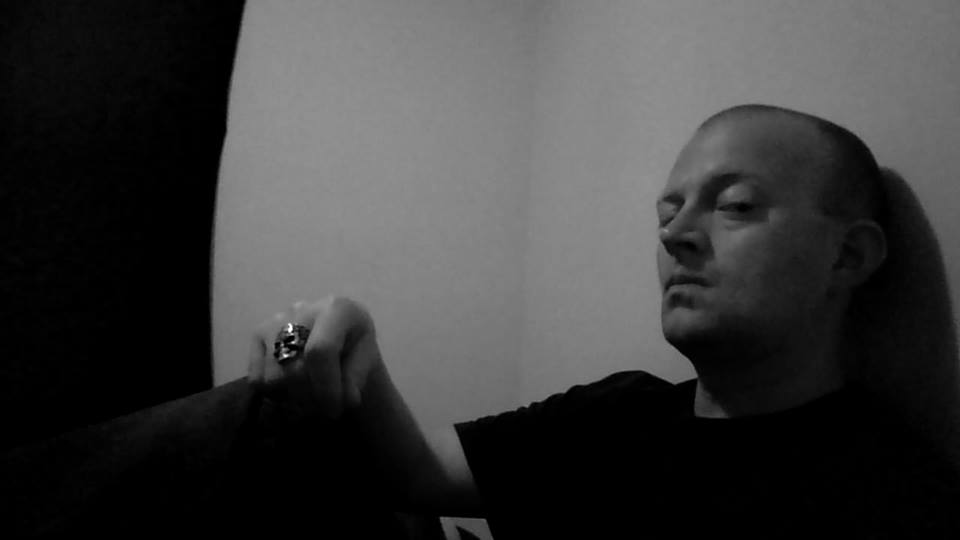
Seriously. Like, right now. There are a ton of Payday wrappers down here. I thought I was the only one who was facing that challenge in life. (The first step is admitting you have a problem.) Also, that Mickey Mouse ankle sock you lost. (Tasteful.)
Don’t look so surprised. You knew I was a weirdo when you friended me on Facebook. And now I’ve used a public records search to find your house.
Please — nobody say “Yeah, but at least you’re out of the closet.” Because I’ve been getting a lot of those jokes lately, and I’m not sure how to respond to them. (Not that there’s anything wrong with that.)
Seriously, though — what I mean is that I am a contributing writer for the May 2014 issue of Under The Bed Magazine, available at the link below for just $3.99. (And if you love the mag as much as I do, you might consider getting a subscription in which each issue is only $1.99.) My horror story is entitled “The Song of the Wheat,” and visits a dark, sprawling Kansas farm where children need never be lonely. For those of you who’ve enjoyed my science fiction-horror, this is my foray into supernatural horror. Think of it as an empiricist’s walk on the wild side.
I can’t describe how fun and cool it is to be able to contribute to Under The Bed. Check out the magazine’s caveat: “Under the Bed contains gruesome violence, adult situations, freaky sex, unconsequenced drug use, and stuff that will almost certainly give you nightmares. Under the Bed is intended for mature audiences. Keep out of reach of children. Please indulge responsibly.”
I am so pleased at the opportunity to work with Managing Editor Wednesday Lee Friday, and I am honored to see my story featured alongside Under The Bed’s talented other horror writers.
Enjoy!! 🙂
http://www.fictionmagazines.com/shop/u-t-b/under-the-bed-vol-02-no-08/

Pictured here is my sophomore year college roommate, Dave, celebrating International Star Wars Day. Perched on his back, quite capably instructing him in the ways of The Force, is his son, Dashiell. I am not sure why Dave also appears to be carrying a small Easter basket, though I might just return to Catholicism again if it were made known that Jedi hid the Easter eggs.
The photo arouses insecurity in me because *I* wanna be the sci-fi movie geek in this town (“this town” being the entire Internet — I’m prone to delusions of grandeur). And now I find out that my old roommie Dave has way better sci-fi flick fan street cred than I do. So I have a whole new mid-life crisis to contend with.
I actually HAVE done cosplay, after a fashion. For years, I purchased my suits for work based on what members of The Syndicate wore in “The X-Files.” Nobody picked up on how awesome I was being. To enhance the effect and better represent Mulder’s nemeses, I spoke vaguely and elliptically to every question asked of me at the office, to conceal a nefarious underlying motive. No one appreciated the flourish, because, let’s face it, I pretty much do that most the time anyway.
Oh, well. I wish Dave well in his fandom, even if I resent the way he’s outshined me here. One, he was a sublimely nice guy in college, and his good nature was an effective counterpoint for my budding sociopathy. He was also a smart fella. After my mother gave me a small used bookcase for academic purposes, it was Dave who suggested that we turn it sideways against the wall to turn it into a bar. Jedi, indeed.
Two, I am also not quite as into Star Wars as many of my friends are. When I roomed with Dave at the age of 19 at Mary Washington College, I was neck deep in an obsession with “2001: A Space Odyssey” — both Arthur C. Clarke’s novel and Stanley Kubrick’s film adaptation. Of course I annoyed my moral better by endlessly quoting the movie at him. (His name, after all, is DAVE.)
“Just what do you think you’re doing, Dave? Dave, stop. Stop, Dave, won’t you? WHY DON’T YOU TAKE A STRESS PILL AND RELAX.”
The harassment finally ended when Dave stopped one day, and gave me a long, hard look, suggesting the ass-kicking I never got but probably deserved since a week after classes started. He told me, “You are TOO into that movie.”
Oh, well. Happy Star Wars Day, everyone. And Dave? You are NOT too into that movie. You rock.

The Force is The Force, of course, of course,
And few can master The Force, of course,
Unless, of course, we use The Force,
TO MAKE QUI-GON JIN DEAAAAAAAAD!!!
Run THAT on your hifalutin Brit Lit Blog, Dagda Publishing!!!!!!!!!!!!!!
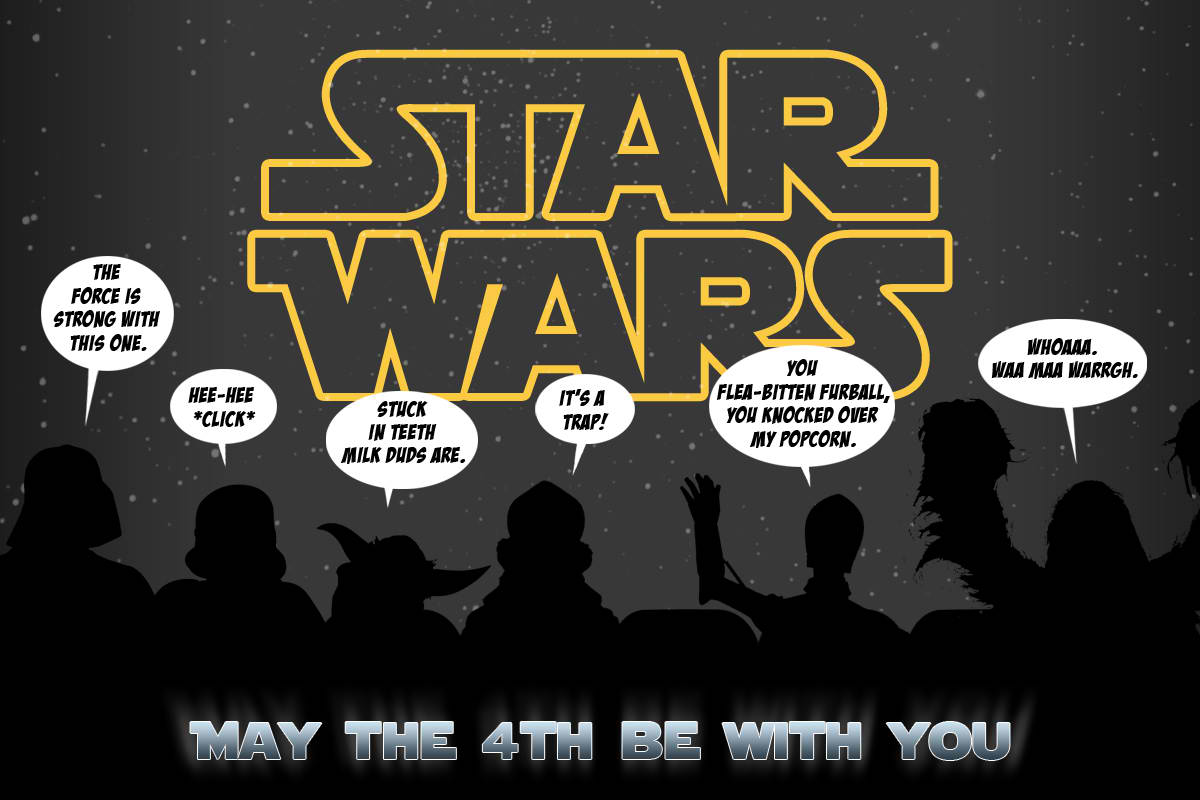
Also , Happy International Star Wars Day, everyone!!!
… he would totally be my friend Alex T. Check out her Super Selfie. My fellow comic fan friends are so badass!
Pictured: Girl Power.

Sumpin’ ’bout hot dogs and crack …
I ❤ NY.
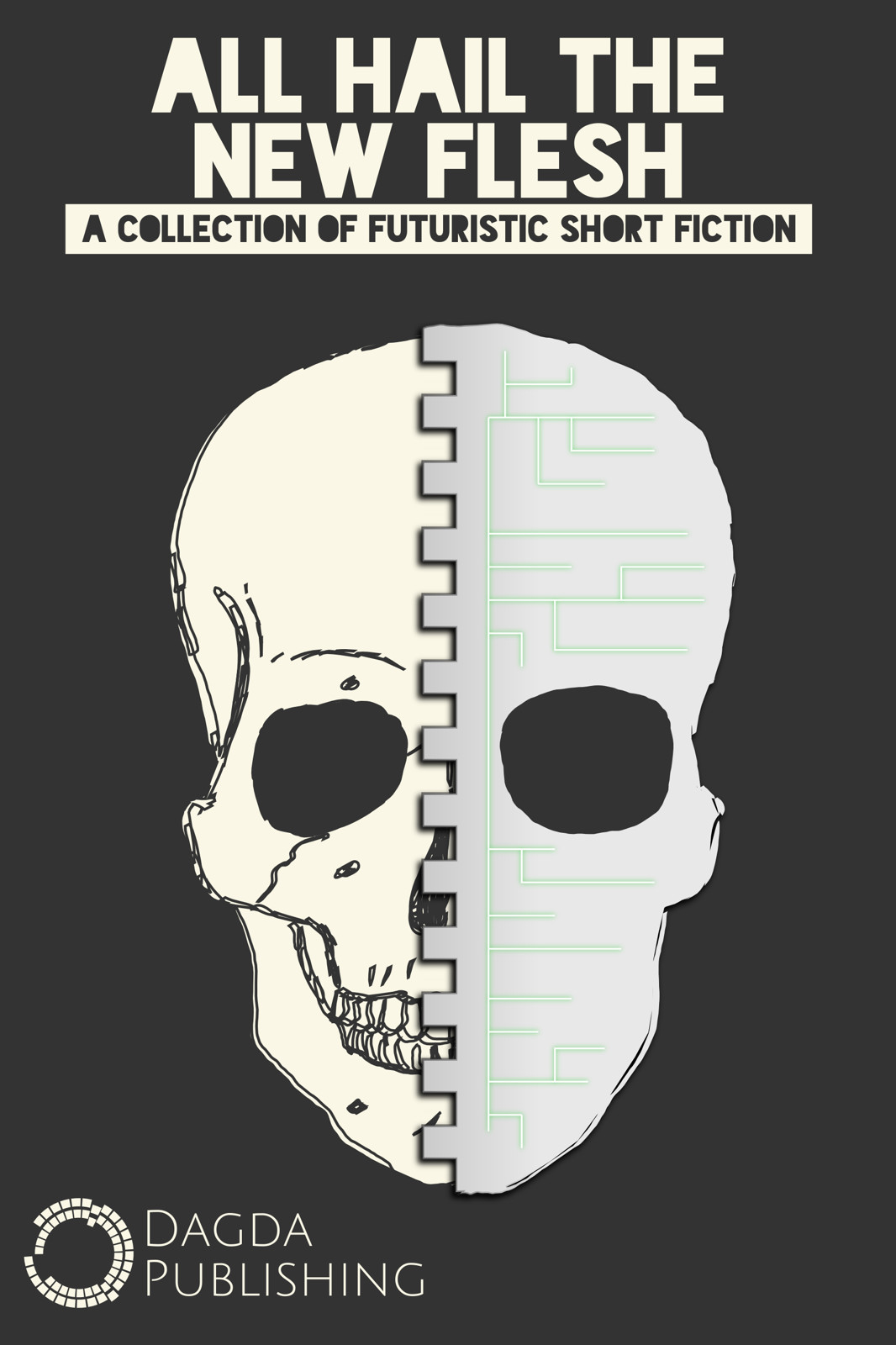
Head on over to “What I am Reading,” where 4-LAN the Friendly Book-Bot shared a very nice review for Dagda Publishing’s dystopian science fiction short story collection, “All Hail the New Flesh.” He was also kind enough to specifically mention my story in the anthology, “At the End of the World, My Daughter Wept Metal.”
The reviews at “What I Am Reading” are always fun to read, and it’s great being able to interact with other people via the blog who have so much enthusiasm for books. 4-LAN is rather affable for a machine — he is hell of a lot nicer than the Cylons who gave Starbuck and Adama so much trouble (especially that Leoben guy — it’s years later and I STILL get creeped out by the way he insisted on “playing house” with Starbuck).
Thanks for sharing, 4-LAN, and, once again, it’s terrific engaging with you and your friends at “What I Am Reading!”
http://thebookmarketingnetwork.com/profiles/blogs/what-i-am-reading-13
“I have seen where the wolf has slept by the silver
stream.
“I can tell by the mark he left you were in his
dream.”
— John Perry Barlow
 Eric Robert Nolan, Author