I’m a little late to the party on the whole “Gazpacho Police” thing …

… but dear god is it funny.

How the #$@% does anyone confuse “Gestapo” with “gazpacho?!”

Screenshot (382)

“The Procession of the Trojan Horse in Troy,” Giovanni Domenico Tiepolo, circa 1760

Cropped from original painting.

The_Procession_of_the_Trojan_Horse_in_Troy_by_Giovanni_Domenico_Tiepolo_(cropped)

Milky Way Haiku

Soft sleeve spilling stars —
a pearl-colored universe
pours ivory sky.


View_of_the_Milky_Way_from_the_Taganay_National_Park

Photo credit: Vasily Iakovlev, CC BY 4.0 <https://creativecommons.org/licenses/by/4.0&gt;, via Wikimedia Commons

Via Tom Hicks @tlhicks713 on Twitter:

Banned books

A short review of “Station Eleven” (2022)

If you are a fan of apocalyptic thrillers, as I am, then HBO Max’ “Station Eleven” might disappoint — its truly unnerving initial episodes gradually give way to the character-driven drama that I’m sure are the focus its source material.  (I haven’t read Emily St. John Mandel’s internationally bestselling novel, but I loved this miniseries so much that I plan to.  And the book gets glowing recommendations from that most erudite of sources, my Mary Washington College alums.)

The show is still incredibly good.  I’d rate it a perfect 10 for being a beautifully scripted, surprising, moving and original story that leans heavily into the themes that presumably spring from the book.  I can’t remember the last time I was as emotionally invested in the survivors of an end-of-the-world tale.  (Other reviewers have wisely observed that it’s surprisingly hopeful for a story about a flu that wipes out humanity.)

As far as its themes go, your mileage may vary with how well they resonate.  It is very much about the power of art.  (Here’s a treat for comic fans — its central plot device is an in-universe, self-published graphic novel that is has nothing to do with the plague.)  “Station Eleven” seems to have a few optimistic things to say about human nature — and about the possibility of reconnecting with people who are important to us.  (The former was a little less plausible to a cynic like me.  I honestly believe that shallow, aloof or selfish people do not become less so after calamity strikes.)

I highly recommend this.  It really is a successful example of experimental, genre-busting storytelling.


s-11

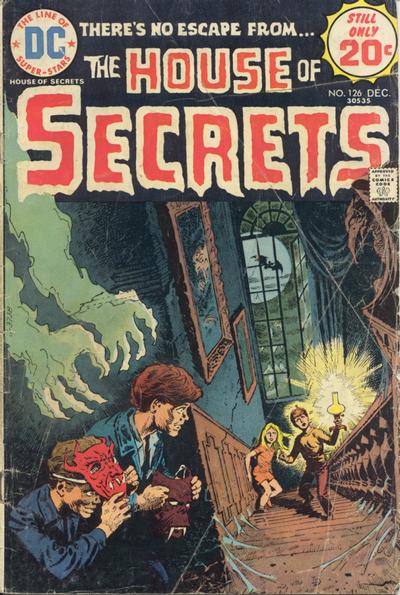
Cover to “House of Secrets” #126, Luis Dominguez, 1974

DC Comics.

126

“Where Would We Go?” by Eric Robert Nolan

Where would we go, you and I?
The sea which breathes, in aquamarine,
its rhythmic, salty epic at our ankles
and inundates a foam refrain,
over and over, in rolling green glass:
the tide — the oldest poem — an immutable meter preceding
words, or man, or even ears to hear?

The unvarying sea
takes no notice of poets —
you and I, ourselves inconsonant poems,
varying as all our kind are wont to do …
faithless at the foot of the green, returning tide,
both our lives arrhythmic and
bitter with metaphor.

Where would we go, asalam?
The staid and angled mountains, vaulting up?
Mountains are always odes. The miles of stone
which rise to cut their rival heavens
lance the air, and spin the winds to narrative.
Those winds were singing long before us,
will sing when we are gone.

The mountains will not know our names
even as we whisper one another’s,
or the rise of your breathing where we lay there —
the blithe and meadowed slope that will not blush beneath us,
where we are ribald lyrics, songs out of our lawless senses,
lascivious and nearly wordless.

Where would we go, my muse?
The river that rushes like a fugitive ghost
absconding with its own requiem?
Rivers’ roars are always dirges, for rivers run past
lives beside their banks. Lifetimes
are as seasons to them, always ending.

This timeless river
is unconcerned for poets
and will not slow to note us.
Only our own faces on its hastening, dim and opaque surface.
answer back our gaze. We are elegies, reflected
in heedless, racing waters moving on.

Stay with me, here, for now.
We have two temporary
yet temperate pages all our own
over which is the script of our ardor:
my gray-grizzled Irish cheek and your Iranian skin,
to read and study, see and know, slowly and tenderly, in this ordinary room,
in this little city, in this waning light, in this fleeting moment,
in these fleeting lives.

I am inelegant free verse, but you …
you are my perfect poem.
We will draw the sheets over us,
over our moving euphony,
and frame to evoke one another —
the rounded warmth of your white shoulder,
the cadence of my pulse.
We will hear one another, and speak
in sedulous repetition
the particular rhythm of each of our names,
measured in the meter of tremulous breath.

(c) Eric Robert Nolan 2022


Santorin (GR), Exomytis, Vlychada BeachDietmar Rabich / Wikimedia Commons / “Santorin (GR), Exomytis, Vlychada Beach — 2017 — 2999 (bw)” / CC BY-SA 4.0
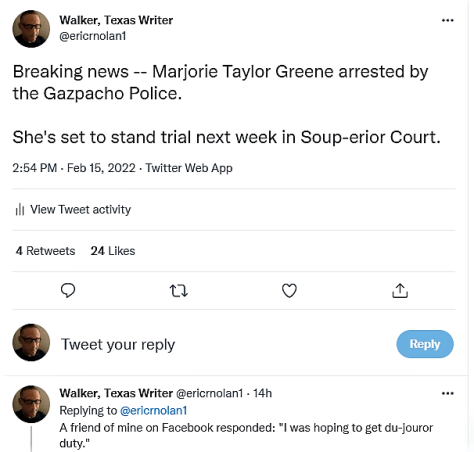
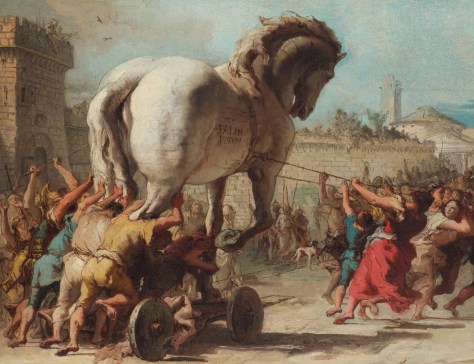
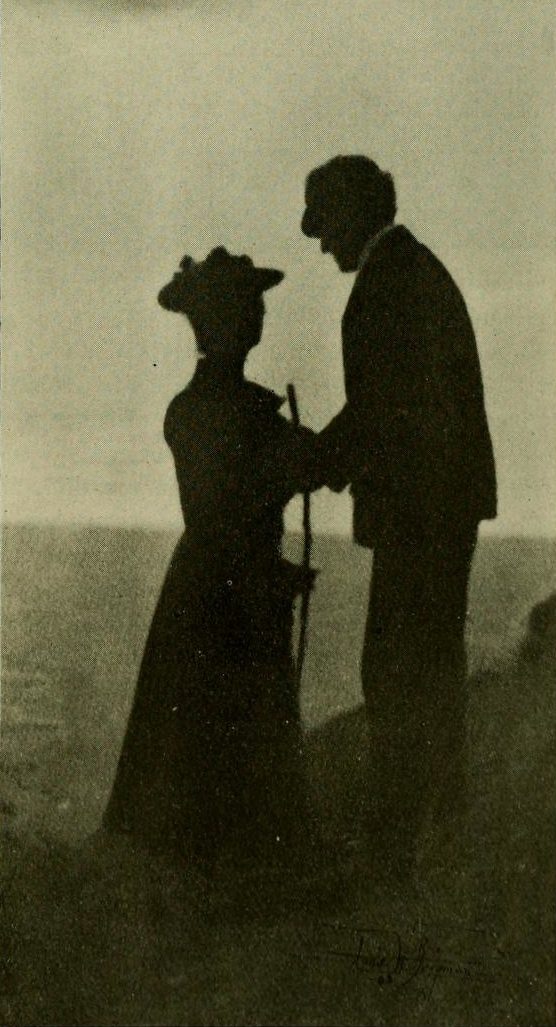
Photo of Oscar Maurier and his wife by Anne Brigman, 1903

“Silhouette of Oscar Maurer and His Wife Who Depart for Europe in a Few Weeks.”

Silhouette_of_Oscar_Maurer_and_wife

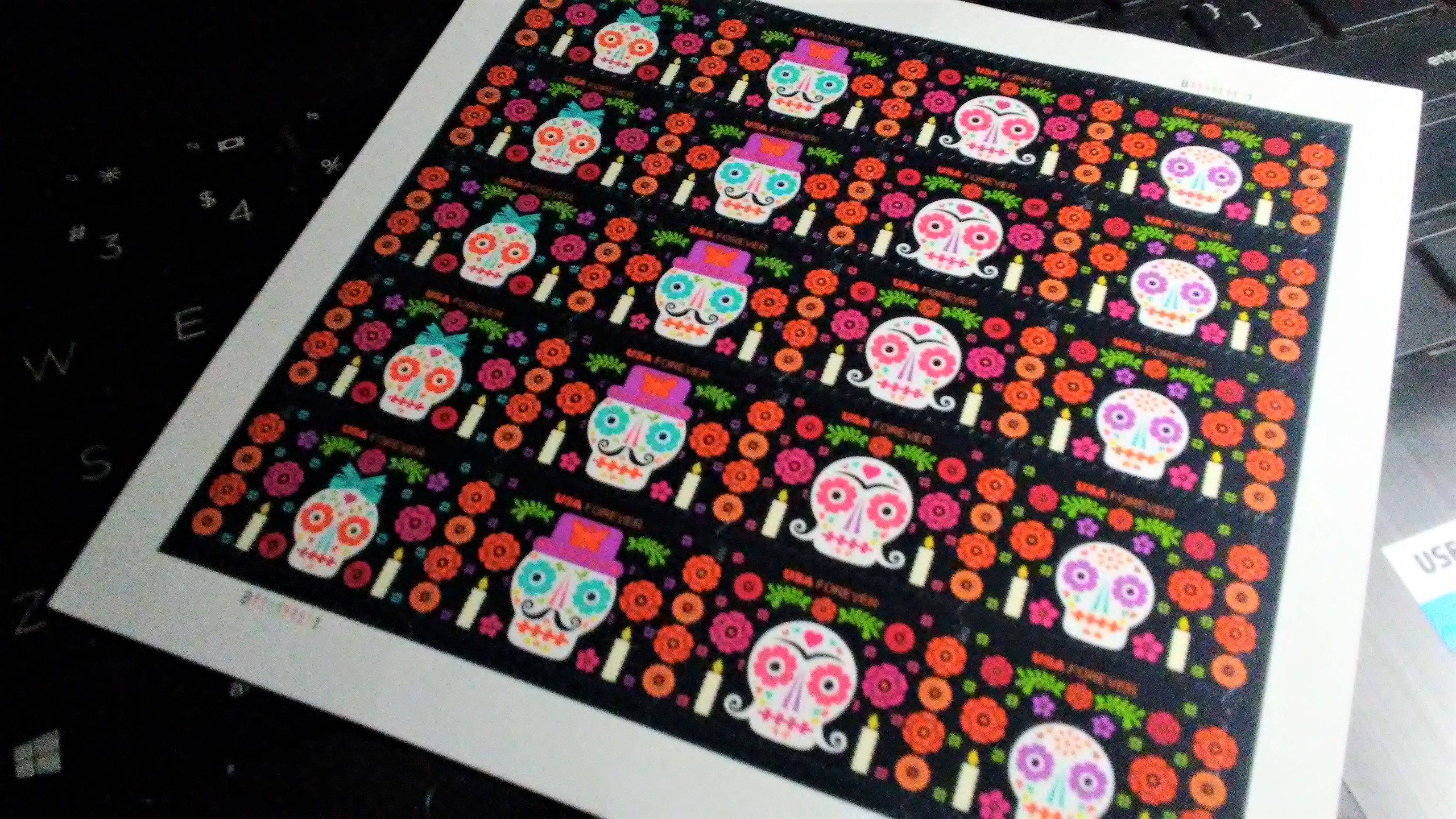
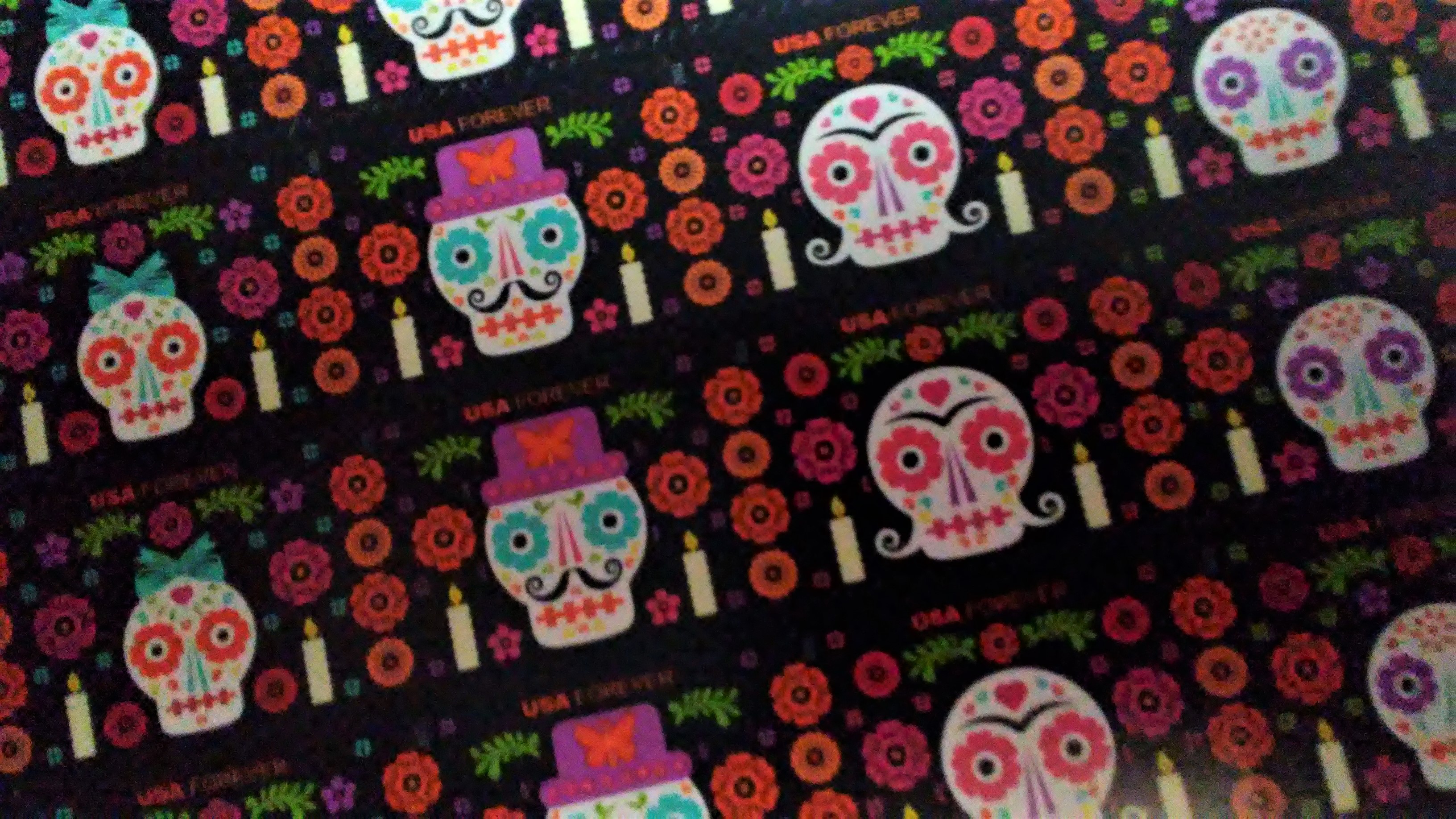
Day of the Dead postage stamps from the USPS!

I actually went looking for the stamps honoring Ursula K. Le Guin, but these were irresistible (and cheaper too).

You can find them right here if you want.


20220212_230628

stampos

I’m telling you it could totally work.

Screenshot (379)

Nurse Your Favorite Heresies in Whispers